The human body is composed of nearly 60% water. It relies on water to breathe, digest, lubricate joints, remove waste, and maintain homeostasis-essentially every body function.
If your body is not getting enough water, or if you lose more water than you take, dehydration is likely to occur, and the result may cause immediate and long-term complications. Whether you realize it or not, you are losing water all day long-some are sweating or crying, some are peeing, or even a little bit every time you breathe. Therefore, it is recommended to drink water throughout the day to prevent early symptoms of dehydration, such as fatigue, headaches, mood swings, and inattention. Your body can be a good warning to you that you are not drinking enough water or are at risk of mild dehydration.
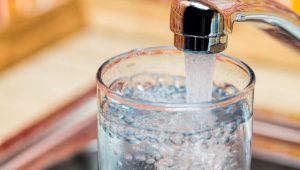
Dehydration reduces blood flow and oxygen into the brain, which in turn causes inflammation.
Therefore, lack of drinking water can cause headaches, brain fog or confusion, fatigue, and dizziness. In addition, since water plays an important role in lubricating joints and muscles, lack of water may mean that you will feel joint pain, stiffness, or muscle and ligament cramps. Some other symptoms are dry mouth and skin, thirsty, darker, more concentrated, and decreased urine. While it is important to listen to the body and feel thirsty, the National Academy of Sciences, Engineering, and Medicine has determined that for healthy adults living in temperate climates, adequate fluid intake per day is approximately 11.5 cups per day for women And 15.5 cups of men. This may vary depending on your amount of exercise, living environment, and other health conditions. To put it more simply, you should drink water when you are thirsty.
While it is important to listen to the body and feel thirsty, the National Academy of Sciences, Engineering, and Medicine has determined that for healthy adults living in temperate climates, adequate fluid intake per day is approximately 11.5 cups per day for women And 15.5 cups of men. This may vary depending on your amount of exercise, living environment, and other health conditions. More simply, you should drink water when you are thirsty.
Drinking water is not the only way to stay hydrated.
High-moisture fruits and vegetables are also a good way to keep the system in top condition. Agricultural products such as broccoli, carrots, cucumbers, watermelons, and grapes contain high levels of H2O. As long as you are listening, your body will know how to tell you that you are not drinking enough water.